
Battery Storage
Use the energy you generate, when it's actually worth something
A battery doesn't create more energy. It simply changes when you use the energy you have. For most UK properties that timing shift is the single biggest lever on the bill.
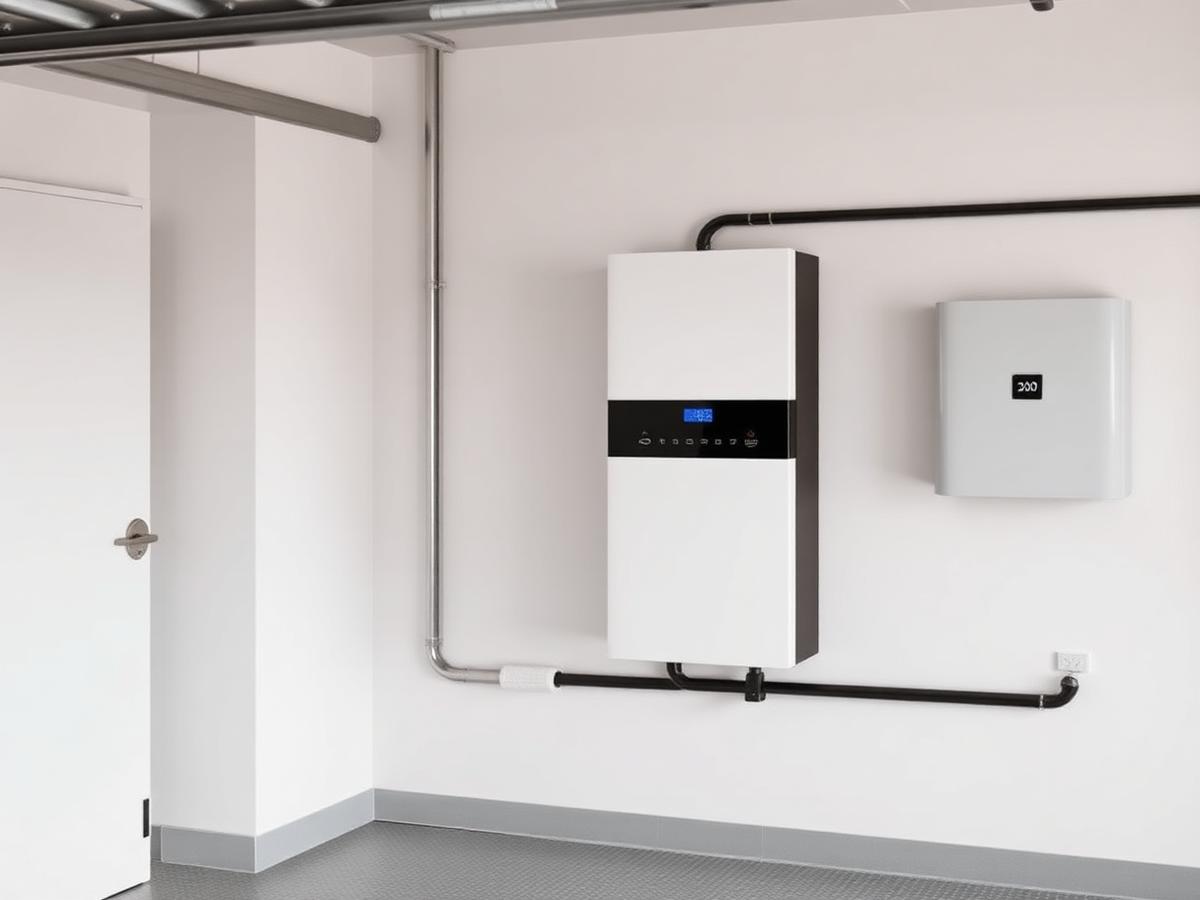
Why storage
Why a battery matters more than another two panels
Once a roof is reasonably covered, adding capacity has diminishing returns because the extra generation lands at the time you need it least. Storage is usually the better next investment.
Your generation and your demand don't line up
Solar peaks around midday. Most households peak between 5pm and 9pm. Without storage, a large share of what you generate is exported at a fraction of what you pay to buy it back a few hours later.
Self-consumption is where the money is
A unit you generate and use yourself is worth the full retail price you avoided. A unit you export is worth the export rate. Storage moves units from the second column to the first.
Cheap-rate charging
On a time-of-use tariff a battery can also charge from the grid overnight at a low rate and discharge during expensive periods. That is especially useful in winter when solar contributes little.
Resilience, if designed for it
Backup during an outage is possible but not automatic. It needs compatible hardware and additional switchgear specified at design stage.
We find that adding a solar battery can reduce electricity bills by up to 70%. Your own figure depends entirely on your consumption pattern, tariff and system size, so treat any headline percentage as indicative until it has been modelled against your actual usage.
Interactive
Where the energy actually goes
Solar to battery to home to EV to grid. Select each stage to see what it does and why the order matters.
Your energy system
Solar → Battery → Home → EV → Grid
Select a stage to see what it does. Every DCL system is designed as one connected setup, not a collection of separate products.
Solar PV
Panels convert daylight into DC electricity. An inverter turns it into the AC power your property uses.
Sizing
How a battery is sized properly
Oversizing wastes capital; undersizing leaves value on the table. Correct sizing comes from your evening and overnight consumption, not from your total annual usage or the size of your array.
- Half-hourly consumption data where available, or a detailed usage profile
- How much surplus your array actually produces across the year
- Whether you're on, or planning to move to, a time-of-use tariff
- EV charging demand and when the car is typically plugged in
- Whether backup power is a requirement or a nice-to-have
- Usable capacity versus nominal capacity: always compare usable
Retrofit
Adding storage to existing solar
You do not need a new array to add a battery. There are two common routes:
AC-coupled retrofit
The battery has its own inverter and sits alongside your existing system. Least disruptive, keeps your current setup intact, slightly lower round-trip efficiency.
Hybrid inverter replacement
Your solar inverter is replaced with one that manages both array and battery. More efficient and tidier, but only worth it if your existing inverter is nearing the end of its life.
Find the right battery for how you actually live
We'll model your evening demand and tell you honestly whether storage stacks up for your property, including if the answer is not yet.
Typical enquiry takes under two minutes · We never sell your details on