Skip to content
DCL Renewables logo

EV Charging

Charge on your own electricity, not someone else's

A charger is a simple box on a wall. What makes it worth having is the intelligence behind it: using your solar surplus, your cheapest tariff hours, and your available capacity.

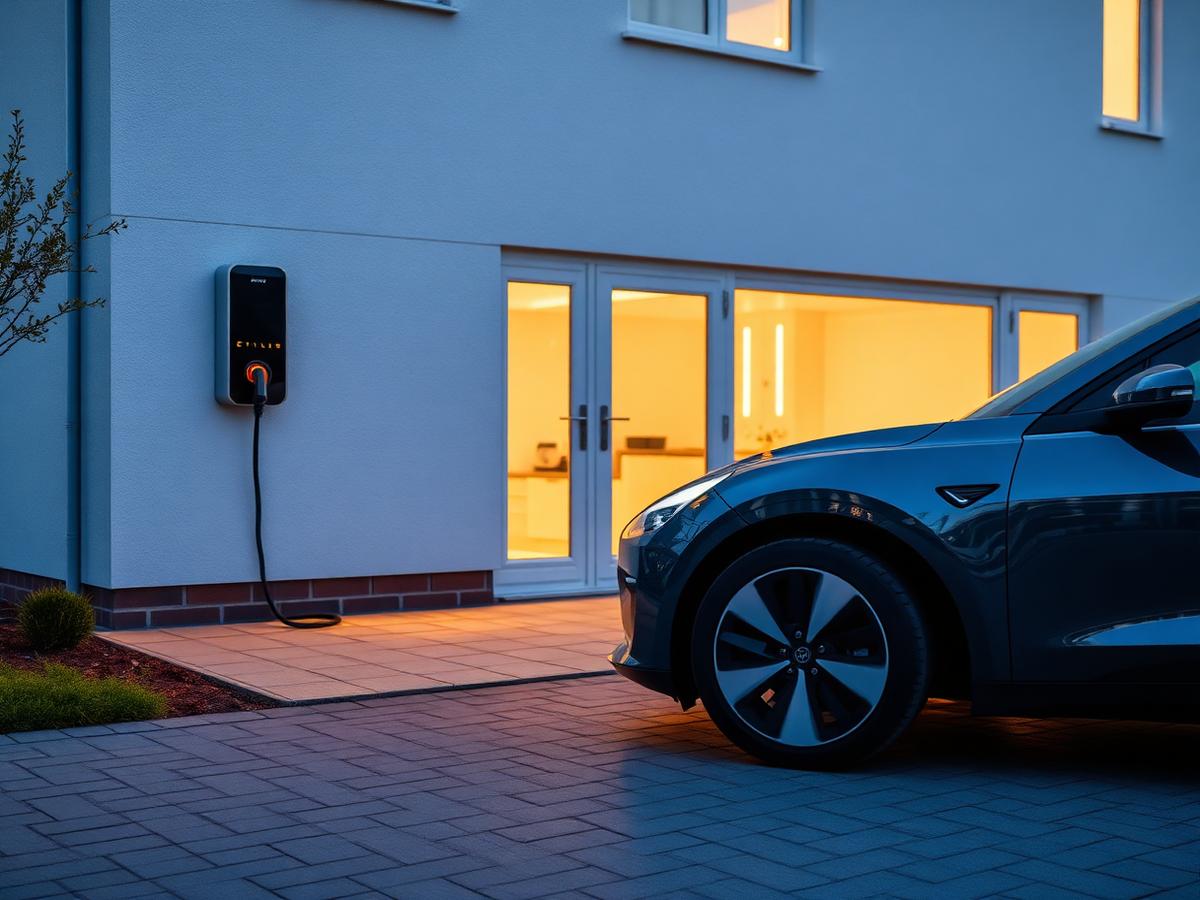
Electric car charging from a wall-mounted smart charger on a UK driveway at dusk

Two very different problems

Home charging and workplace charging aren't the same job

At home

One car, one supply, overnight

The design question is simple: how do you charge as much as possible from solar surplus or a cheap overnight window without tripping the main supply?

  • Typically 7kW on a single-phase domestic supply
  • Three-phase charging may be possible with a suitable supply and a separately specified charger
  • Load balancing so charging never overloads the incoming supply
  • Solar-aware modes: surplus-only, or blended solar plus a small grid top-up
  • Scheduling around a time-of-use tariff
Home solutions

At work

Many vehicles, limited capacity, all day

The design question becomes allocation: how do you serve staff, visitors and fleet vehicles from a fixed grid connection without an expensive supply upgrade?

  • Dynamic load management across multiple charge points
  • Solar and battery integration to reduce peak import
  • Access control, user groups and usage reporting
  • Billing and reimbursement where required
  • Civils, groundworks and future-proofed containment
Business charging

Smart charging

What 'smart' should actually mean

All UK domestic chargers sold new must have smart functionality. That's a legal minimum, not a feature. These are the capabilities worth caring about.

Solar diversion

Detects surplus generation at the meter and diverts it to the car instead of exporting it. The single most valuable feature if you have solar.

Tariff awareness

Charges automatically during your cheapest hours, adapting when the tariff's cheap window moves.

Genuine app control

Set a target charge and a departure time, see historical sessions, and check what a charge actually cost.

Installation

What's involved

  • Review of your consumer unit, main fuse rating and proposed cable route
  • Earthing arrangement assessed: PEN fault protection is mandatory
  • Dedicated circuit, RCD protection and correct cable sizing
  • Charger mounted, commissioned and connected to your network
  • App set up, charging schedule configured and demonstrated
  • Certification issued and the installation notified as required

Choosing hardware

Which charger?

We recommend based on how you'll actually use it — tethered versus untethered, solar integration quality, app maturity, and whether the manufacturer will still be supporting the firmware in five years. Not on which unit carries the best margin.

FAQs

EV charging questions

Charge from your roof, not the grid

Tell us your property, your car and your tariff and we'll specify a charger that actually uses your own generation.

Typical enquiry takes under two minutes · We never sell your details on

Get Your No Obligation Quote